

All employees are learning TPM, with autonomous maintenance ensuring production continuity — Haoyang Environmental’s production workshop has launched a TPM training program.
Release date:
2017-02-15
On February 8, Workshop No. 5 conducted a three-day TPM Standard‑Setting Training for its employees. Taking into account the varying levels of education, equipment familiarity, and operational procedures among workshop staff, Director Liang of our workshop presented detailed guidelines on cleaning, inspection, and lubrication for each process and equipment component along every production line, ensuring that the key concepts were firmly imprinted in the employees’ minds.
By Wu Xuemeng: In light of the current state of the geotechnical materials industry, implementing Total Productive Maintenance (TPM) on the shop floor is a key strategy for directly reducing company costs. Only by ensuring the reliable operation of equipment can we produce high‑quality products, minimize machine downtime, cut down on defective and scrap output, and drive manufacturing costs to their lowest possible level.

On February 8, Workshop No. 5 conducted a three-day TPM Standardization Training for its employees. Taking into account the varying levels of education, equipment familiarity, and operational procedures among workshop staff, Director Liang of our workshop presented detailed guidelines on cleaning, inspection, and lubrication for each process and equipment component along every production line, ensuring that the information was firmly imprinted in the employees’ minds.
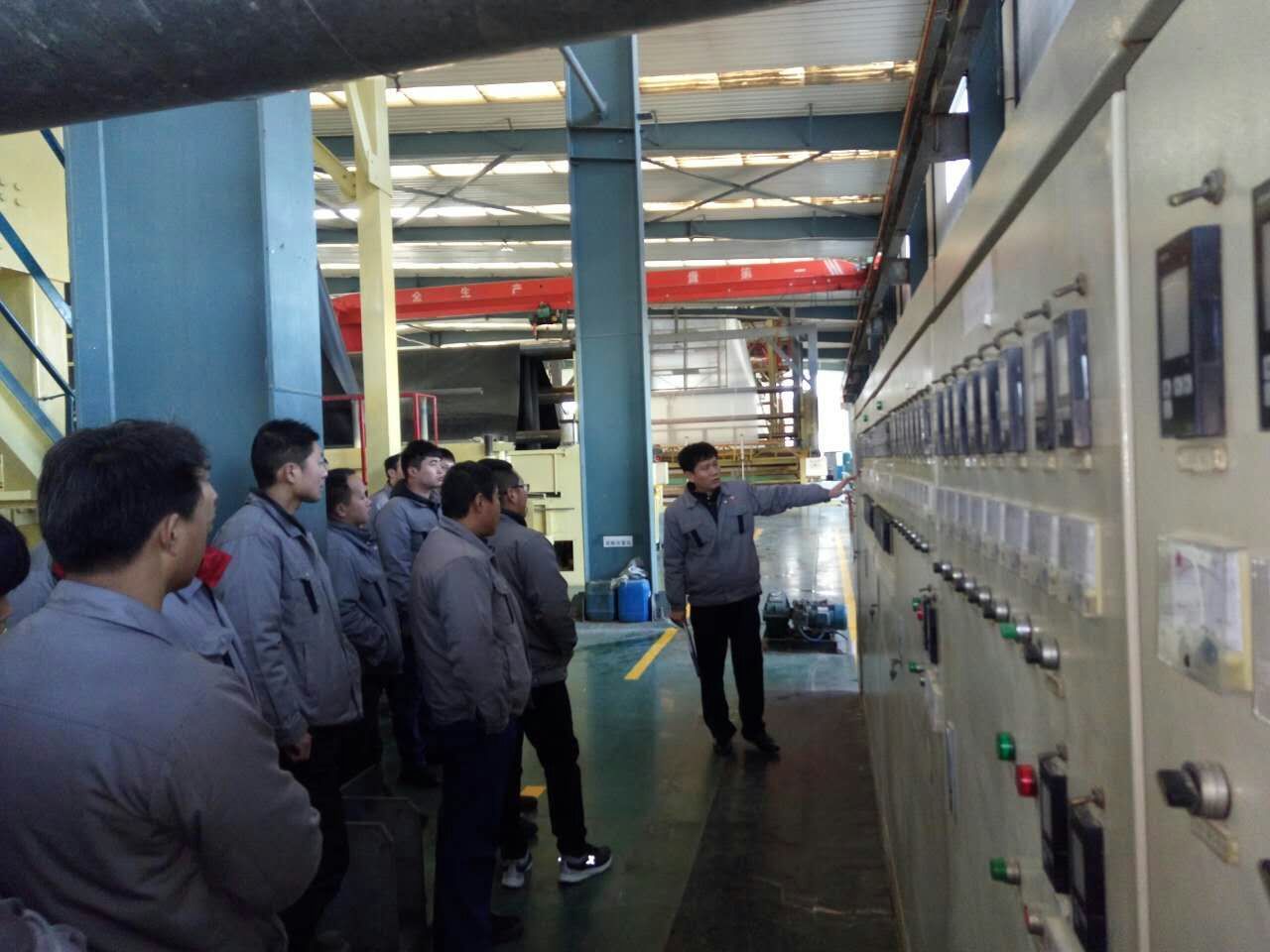
On February 9, Director Liang once again led the staff to the workshop floor, systematically familiarizing themselves with the equipment configuration, production principles, process flow, and the specific names of each piece of machinery at every workstation, thereby laying a solid foundation for the implementation of TPM activities.
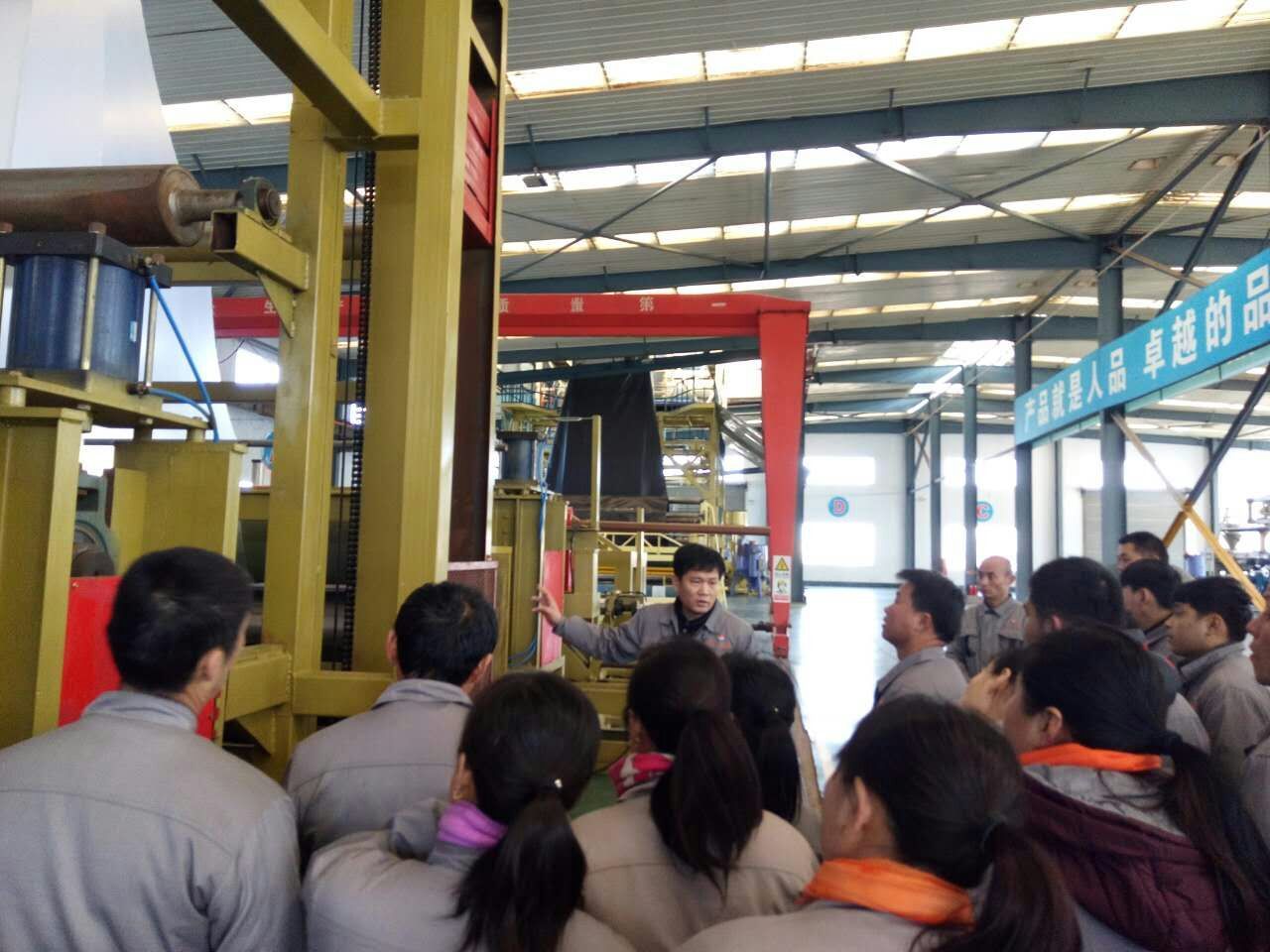
On February 10, Director Liang posted the standard operating procedures for cleaning, inspection, and lubrication of each piece of equipment along every production line, assigning them to their respective lines. He then provided on-site instruction and demonstrations for TPM maintenance methods at each process step, followed by live Q&A sessions to assess employees’ understanding, thereby deepening their grasp of routine TPM upkeep.

Through this training, employees have gained a thorough understanding of the standards for equipment cleaning, inspections, and lubrication, and have become familiar with the autonomous maintenance practices specific to each production line. This has laid a solid foundation for the reliable operation of all production equipment this year. Moving forward, the workshop will continue to monitor and implement TPM initiatives tailored to the actual conditions of each production line, ensuring that no critical TPM‑related tasks are overlooked in daily operations. Our goal is to foster a genuine awareness of TPM among all employees, encourage their active participation, and ultimately drive the long-term development of Haoyang Environment.


Latest Updates


Phone:0534-7281652
Fax:0534-7281898
Email:haoyangjituan@126.com
Website:www.haoyanghuanjing.com
Address: No. 1567, Wenhua Street, National High-Tech Industrial Development Zone, Yucheng, Dezhou, Shandong Province
Reporting and Complaint Hotline:0534-7281652
Reporting and Complaint Email:haoyangjituan@126.com

Mobile access

Follow us
Copyright © HaoYang Environmental Co.,Ltd.